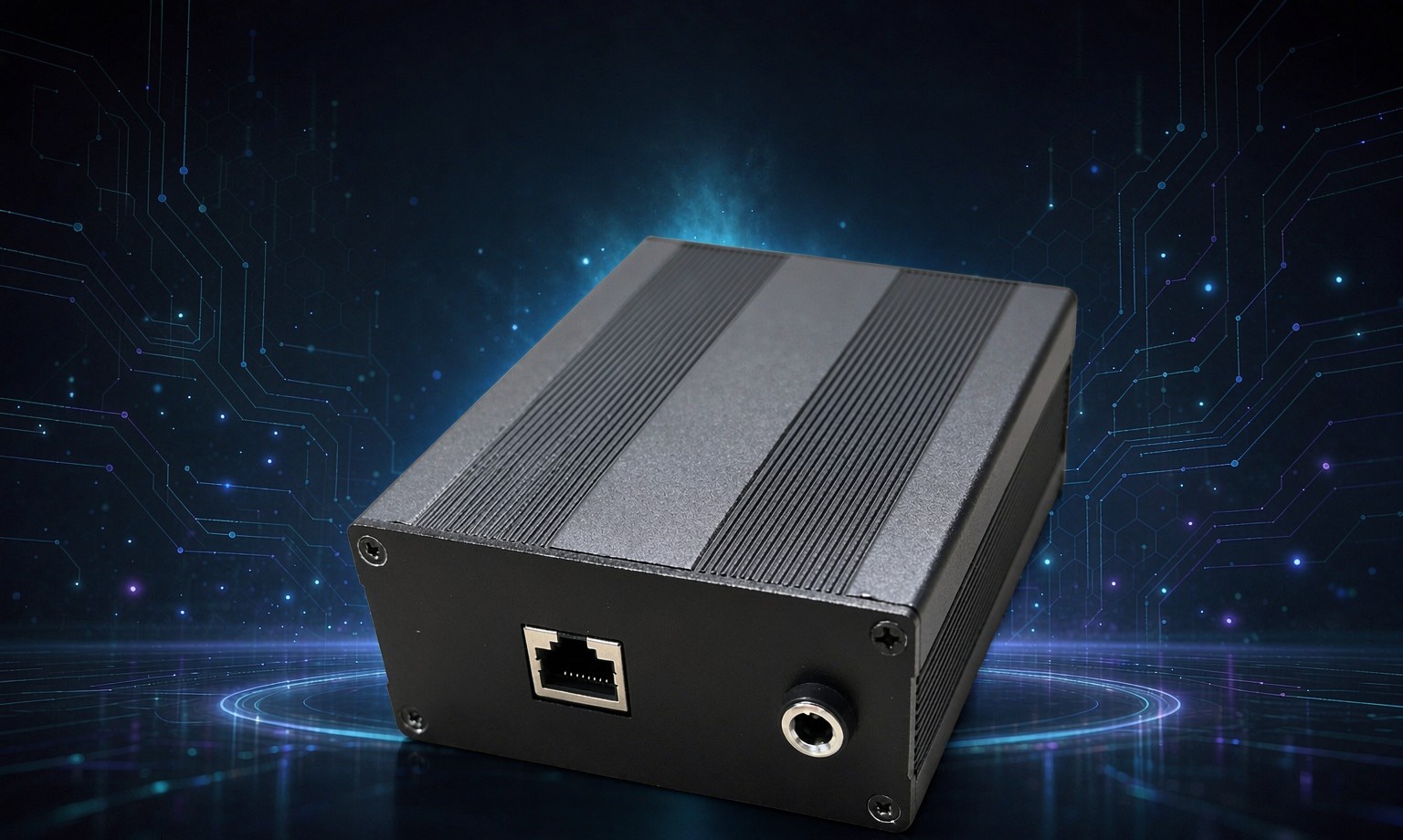
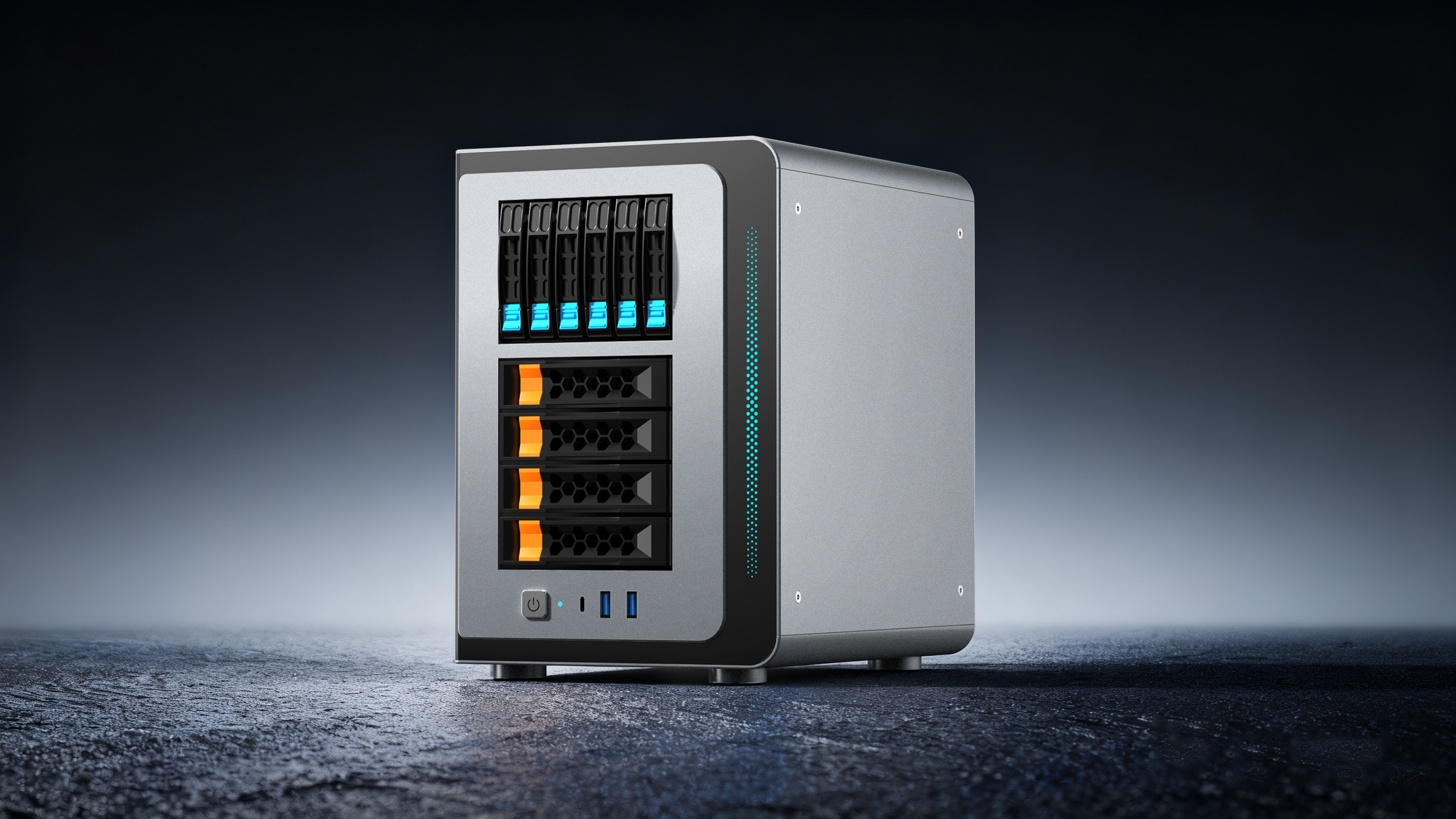
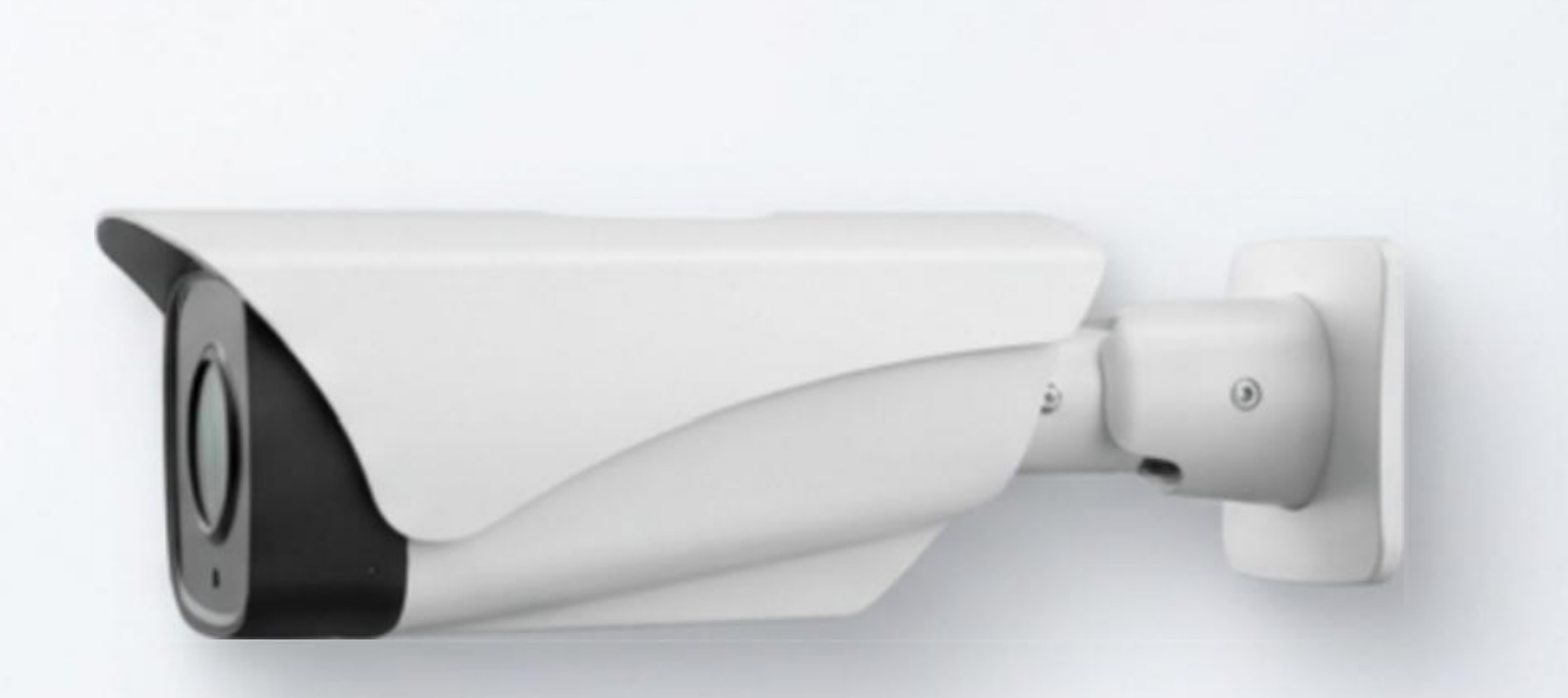
A surveillance camera with the compression engine built into the imaging pipeline. By the time the stream reaches the network it is already 0.5 Mbps at 1080P — one eighth of what a conventional camera produces.
A self-developed scene-adaptive algorithm that is three to five times more efficient than standard H.265, holding an average of about 512 kbps while preserving detail.
On identical storage, recording time extends by 5 to 10 times — from 30 days to 180 days and beyond. Hard disk and cloud storage investment falls sharply.
Built for 4G, 5G and WiFi wireless transport or cross-subnet narrowband, guaranteeing smooth real-time return and multi-stream concurrent access.
The algorithm identifies faces, vehicle bodies and plates automatically, applying deep compression to static background regions and preserving high fidelity where it matters.
Every other approach in the industry compresses data that has already been transported, stored and paid for. SWIFTCamera removes the problem at the only point where it costs nothing: the moment of capture.
| Specification | Detail |
|---|---|
| Bandwidth at 1080P | 0.5 Mbps against a conventional 4 MbpsReduced to 1/8 |
| Average bitrate | Approximately 512 kbps with detail preserved |
| Encoding efficiency | 3–5x standard H.265 via a self-developed scene-adaptive algorithm |
| Retention | 180 days; recording extended 5–10x on equal capacity |
| Network transport | 4G / 5G / WiFi wireless, cross-subnet narrowband, multi-stream concurrent return |
| Intelligence | Automatic identification of faces, vehicle bodies and plates; deep compression of static background regions |
| Integration | Works with the existing video management platform or NVR |
| Form factor | Outdoor bullet camera |
| Typical applications | 4G/5G mobile terminals, cross-subnet narrowband transport, long-retention loop recording, multi-stream concurrent return |
Per stream, continuous
Recorded per stream per day
Retention on a standard allocation
Per stream, continuous
Recorded per stream per day
Retention on the same allocation
Vehicle-mounted and temporary deployments where the link is the only constraint.
Sites reachable only over constrained wireless or long-haul narrowband links.
Continuous coverage where the retention requirement exceeds local capacity.
Sites that need several streams reviewed simultaneously from a central location.
Send us your camera count and current bitrate profile. We will quantify the bandwidth and storage difference.